We Teach Kids What to Think, But Not How to Feel.

We Teach Kids What to Think, But Not How to Feel.
Why emotional skills matter more than grades, and what we’re missing.
We teach kids math.
We teach them reading.
We teach them how to memorize, perform, and succeed on paper.
But we don’t always teach them how to handle their feelings.
And that’s where things start to fall apart.
Because life doesn’t test you on equations.
It tests you in moments.
Moments like:
- being left out
- feeling overwhelmed
- getting frustrated
- making a mistake
- not knowing what to do next
In those moments, what matters most isn’t intelligence.
It’s emotional awareness.
Can a child recognize what they’re feeling?
Can they pause instead of react?
Can they calm themselves down and think clearly?
These aren’t personality traits.
They’re skills.
And like any skill, they can be taught.
The Gap We Don’t Talk About
Most children are expected to “figure this out.”
We tell them:
- “Calm down”
- “Don’t overreact”
- “Be nice”
- “Focus”
But we don’t always show them how.
So what happens?
They grow up:
- reacting instead of responding
- shutting down instead of expressing
- feeling overwhelmed instead of capable
Not because something is wrong with them,
but because something is missing.
I Saw This as a Parent
This became very real for me with my own girls.
They were smart.
Curious.
Capable.
But like every child, they still needed guidance with the things that actually matter in real life.
Not just what to do…
but how to handle themselves when things didn’t go as planned.
There was a time when I was homeschooling my youngest.
I remember feeling a lot of pressure, like it was all on me.
I didn’t want to get it wrong.
And that’s when something shifted.
I realized that learning doesn’t happen through control.
It happens through awareness and environment.
Kids don’t need constant correction.
They need tools.
They need language for what they feel.
They need space to understand it.
They need guidance to move through it.
That’s what builds confidence.
Confidence Is Not What We Think
We often think confidence comes from:
- praise
- success
- getting things right
But real confidence comes from something deeper.
It comes from knowing:
“I can handle this.”
Even when it’s hard.
Even when I feel something uncomfortable.
Even when things don’t go my way.
That kind of confidence is built through emotional skills.
The Skills That Change Everything
When kids learn how to:
- recognize their emotions
- name what they feel
- calm themselves down
- communicate clearly
- understand others
Something shifts.
They stop feeling “out of control.”
They start feeling capable.
And that changes how they move through everything:
- school
- friendships
- challenges
- decisions
Why This Matters More Than Ever
Today’s kids are growing up in a fast, overwhelming world.
There’s more pressure.
More comparison.
More noise.
And yet, we’re still focusing mostly on performance.
Grades.
Achievements.
Outcomes.
But without emotional skills, none of that feels stable.
A child can succeed on paper
and still struggle inside.
That’s why this matters.
Where This Became Something More
At first, I was just writing things down for my girls.
Notes.
Ideas.
Conversations I didn’t want them to miss.
Over time, it became something bigger.
Because I realized this isn’t just about my kids.
It’s about giving kids tools they can actually use in real life.
After a few years in the making,
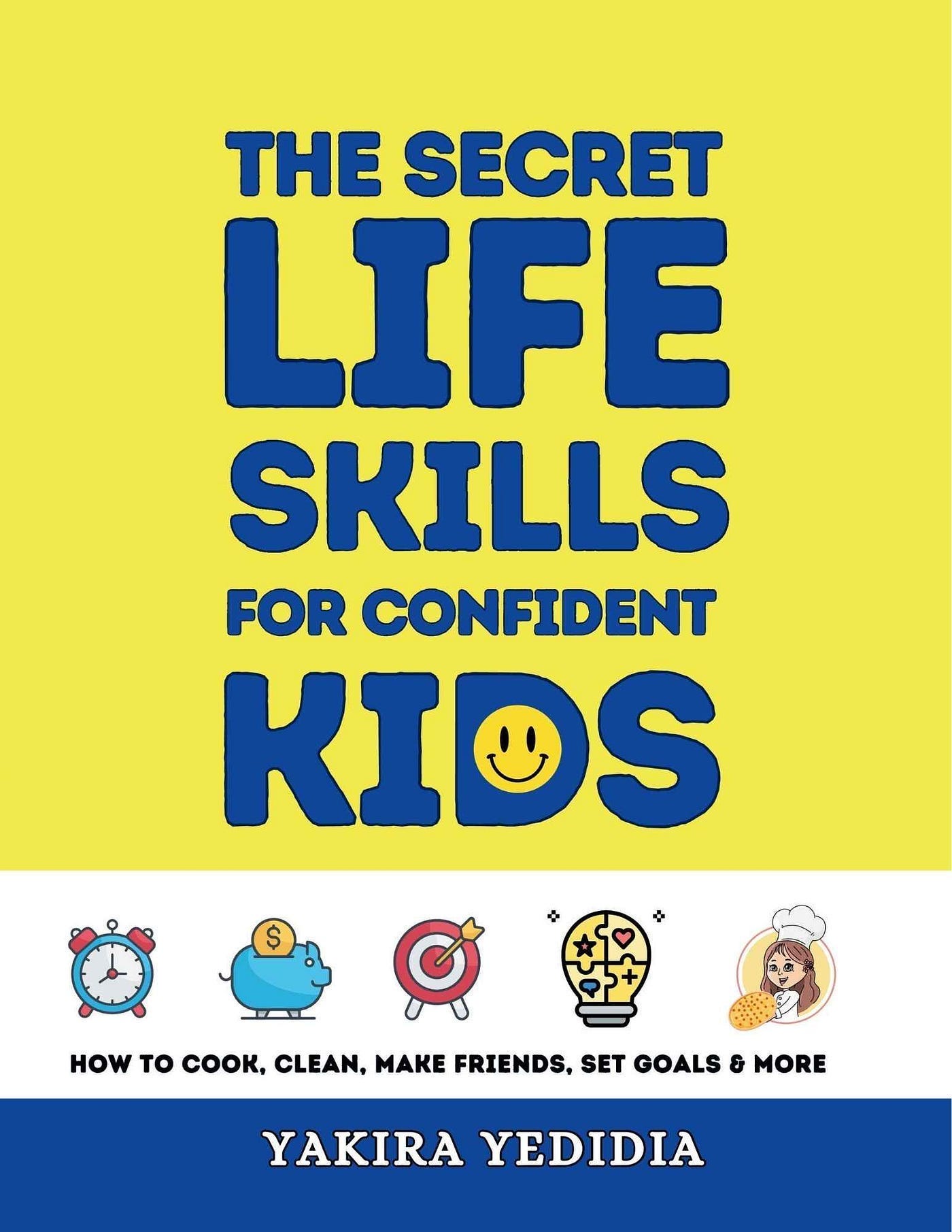
The Secret Life Skills for Confident Kids (ages 8–12)
is coming out on April 30.
Not because I think I have all the answers.
But because I know how important it is
to start teaching what really matters.
Final Thought
We don’t need perfect kids. We need capable kids.
Kids who can:
- understand themselves
- handle what they feel
- move forward anyway
That’s where real confidence begins.